Back to Home
HOW ARE YOU

HOW ARE YOU

Seyi Vibez, BNXN, Kizz Daniel

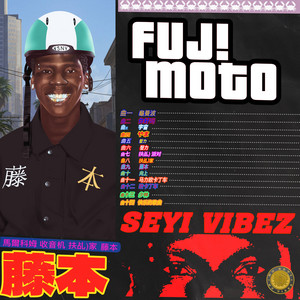
FUJI MOTO

Lyrics

I gave you my heart, I gave you my cash

Annotation

The artist is expressing a deep level of commitment and generosity, both emotionally and financially, to a partner. This sets the stage for the ensuing conflict, highlighting the imbalance in the relationship.

But it’s not enough

Annotation

Despite the artist's efforts, the partner remains unsatisfied, suggesting a disconnect between material offerings and emotional fulfillment.

I say make we break up, she say make we make up

Annotation

This line captures the push-and-pull dynamic in the relationship, with the artist contemplating a breakup while the partner seeks reconciliation. The use of Pidgin English adds an authentic, conversational tone.

Oni mio le lo

Annotation

In Yoruba, 'Oni mio le lo' translates to 'Today, I can't go.' This phrase conveys a sense of being stuck or unable to move on, reflecting the emotional turmoil in the relationship.

Elenu razor, my co-debator, elenu razor

Annotation

Elenu razor' is a Yoruba phrase meaning 'sharp-tongued.' The artist describes the partner as someone who is quick to argue, adding tension to their interactions.

Five times in a day, wet, wet on me

Annotation

[Second Pre-Chorus] This line suggests a sense of abundance and indulgence, possibly referring to a lavish lifestyle or frequent celebrations. The repetition of 'wet' could imply being drenched in luxury or enjoyment. This repetition reinforces the themes and builds emotional intensity.

Will you be right back?

Annotation

The artist questions the partner's commitment and reliability, underscoring the uncertainty and instability present in their relationship.

Five times in a day, wet, wet on me

Annotation

[Second Pre-Chorus] This line suggests a sense of abundance and indulgence, possibly referring to a lavish lifestyle or frequent celebrations. The repetition of 'wet' could imply being drenched in luxury or enjoyment. This repetition reinforces the themes and builds emotional intensity.

Shomo kan timo se

Annotation

[Second Pre-Chorus] In Yoruba, 'Shomo kan timo se' translates to 'Do you know what I did?' This line hints at a sense of mystery or intrigue, inviting the listener to wonder about the speaker's actions. This repetition reinforces the themes and builds emotional intensity.

Girl, I like your back and I like your waist

Annotation

[Second Pre-Chorus] This line is a straightforward compliment, focusing on physical attraction. It reflects a common theme in Afrobeats where admiration for a partner's physical attributes is expressed. This repetition reinforces the themes and builds emotional intensity.

Can you put it on my face?

Annotation

[Second Pre-Chorus] This line is suggestive and playful, typical of the flirtatious and bold nature often found in Afrobeats lyrics. It emphasizes a desire for intimacy and closeness. This repetition reinforces the themes and builds emotional intensity.

Omo oba lemi omo oba lemi omo oba lemi

Annotation

[Second Pre-Chorus] Translating to 'I am a prince' in Yoruba, this line asserts a sense of royalty or high status. Repeating it thrice emphasizes confidence and self-assuredness. This repetition reinforces the themes and builds emotional intensity.

Party, party, shine, shine, baby

Annotation

[Second Pre-Chorus] This line captures the essence of celebration and enjoyment, with 'shine, shine' suggesting a vibrant, lively atmosphere. It's a call to enjoy life to the fullest. This repetition reinforces the themes and builds emotional intensity.

Give me

Annotation

[Second Pre-Chorus] Requesting Dom Perignon, a luxury champagne, underscores themes of opulence and high-class living. It ties back to the song's overall vibe of indulgence and celebration. This repetition reinforces the themes and builds emotional intensity.

Dom Perignon
Baby, how are you?Baby, how are you?

Annotation

[Second Chorus] Ending with these lines brings the focus back to the simplicity of human interaction. The use of 'hello' is universal, making the song relatable to a wide audience. This repetition reinforces the themes and builds emotional intensity.

Baby, how are you?

Annotation

[Second Chorus] Ending with these lines brings the focus back to the simplicity of human interaction. The use of 'hello' is universal, making the song relatable to a wide audience. This repetition reinforces the themes and builds emotional intensity.

I just want to say hello, baby, how arе you?

Annotation

[Second Chorus] The repetition of this line underscores the theme of reaching out and maintaining connections, a sentiment that resonates globally, especially in times of social distancing. This repetition reinforces the themes and builds emotional intensity.

Baby, how are you?

Annotation

[Second Chorus] Ending with these lines brings the focus back to the simplicity of human interaction. The use of 'hello' is universal, making the song relatable to a wide audience. This repetition reinforces the themes and builds emotional intensity.

Baby, how are you?

Annotation

[Second Chorus] Ending with these lines brings the focus back to the simplicity of human interaction. The use of 'hello' is universal, making the song relatable to a wide audience. This repetition reinforces the themes and builds emotional intensity.

I just want to say hello, baby, how arе you?

Annotation

[Second Chorus] The repetition of this line underscores the theme of reaching out and maintaining connections, a sentiment that resonates globally, especially in times of social distancing. This repetition reinforces the themes and builds emotional intensity.

Baby, how are you?

Annotation

[Second Chorus] Ending with these lines brings the focus back to the simplicity of human interaction. The use of 'hello' is universal, making the song relatable to a wide audience. This repetition reinforces the themes and builds emotional intensity.

I just want to say hello
HelloFive times in a day, wet, wet on me

Annotation

[Second Chorus] The final 'Hello' acts as a closing note, leaving the listener with a sense of warmth and openness. It's a universal word that signifies the beginning of communication. This repetition reinforces the themes and builds emotional intensity.

Five times in a day, wet, wet on me

Annotation

[Second Pre-Chorus] This line suggests a sense of abundance and indulgence, possibly referring to a lavish lifestyle or frequent celebrations. The repetition of 'wet' could imply being drenched in luxury or enjoyment. This repetition reinforces the themes and builds emotional intensity.

Shomo kan timo se

Annotation

[Second Pre-Chorus] In Yoruba, 'Shomo kan timo se' translates to 'Do you know what I did?' This line hints at a sense of mystery or intrigue, inviting the listener to wonder about the speaker's actions. This repetition reinforces the themes and builds emotional intensity.

Girl, I like your back and I like your waist

Annotation

[Second Pre-Chorus] This line is a straightforward compliment, focusing on physical attraction. It reflects a common theme in Afrobeats where admiration for a partner's physical attributes is expressed. This repetition reinforces the themes and builds emotional intensity.

Can you put it on my face?

Annotation

[Second Pre-Chorus] This line is suggestive and playful, typical of the flirtatious and bold nature often found in Afrobeats lyrics. It emphasizes a desire for intimacy and closeness. This repetition reinforces the themes and builds emotional intensity.

Omo oba lemi omo oba lemi omo oba lemi

Annotation

[Second Pre-Chorus] Translating to 'I am a prince' in Yoruba, this line asserts a sense of royalty or high status. Repeating it thrice emphasizes confidence and self-assuredness. This repetition reinforces the themes and builds emotional intensity.

Party, party, shine, shine, baby

Annotation

[Second Pre-Chorus] This line captures the essence of celebration and enjoyment, with 'shine, shine' suggesting a vibrant, lively atmosphere. It's a call to enjoy life to the fullest. This repetition reinforces the themes and builds emotional intensity.

Give me

Annotation

[Second Pre-Chorus] Requesting Dom Perignon, a luxury champagne, underscores themes of opulence and high-class living. It ties back to the song's overall vibe of indulgence and celebration. This repetition reinforces the themes and builds emotional intensity.

Dom Perignon
Baby, how are you?Baby, how are you?

Annotation

[Second Chorus] Ending with these lines brings the focus back to the simplicity of human interaction. The use of 'hello' is universal, making the song relatable to a wide audience. This repetition reinforces the themes and builds emotional intensity.

Baby, how are you?

Annotation

[Second Chorus] Ending with these lines brings the focus back to the simplicity of human interaction. The use of 'hello' is universal, making the song relatable to a wide audience. This repetition reinforces the themes and builds emotional intensity.

I just want to say hello, baby, how are you?
Baby, how are you?Baby, how are you?

Annotation

[Second Chorus] Ending with these lines brings the focus back to the simplicity of human interaction. The use of 'hello' is universal, making the song relatable to a wide audience. This repetition reinforces the themes and builds emotional intensity.

Baby, how are you?

Annotation

[Second Chorus] Ending with these lines brings the focus back to the simplicity of human interaction. The use of 'hello' is universal, making the song relatable to a wide audience. This repetition reinforces the themes and builds emotional intensity.

I just want to say hello, baby, how are you?
Baby, how are you?

Annotation

[Second Chorus] Ending with these lines brings the focus back to the simplicity of human interaction. The use of 'hello' is universal, making the song relatable to a wide audience. This repetition reinforces the themes and builds emotional intensity.

Credits

Producers

Seyi Vibez, Modra